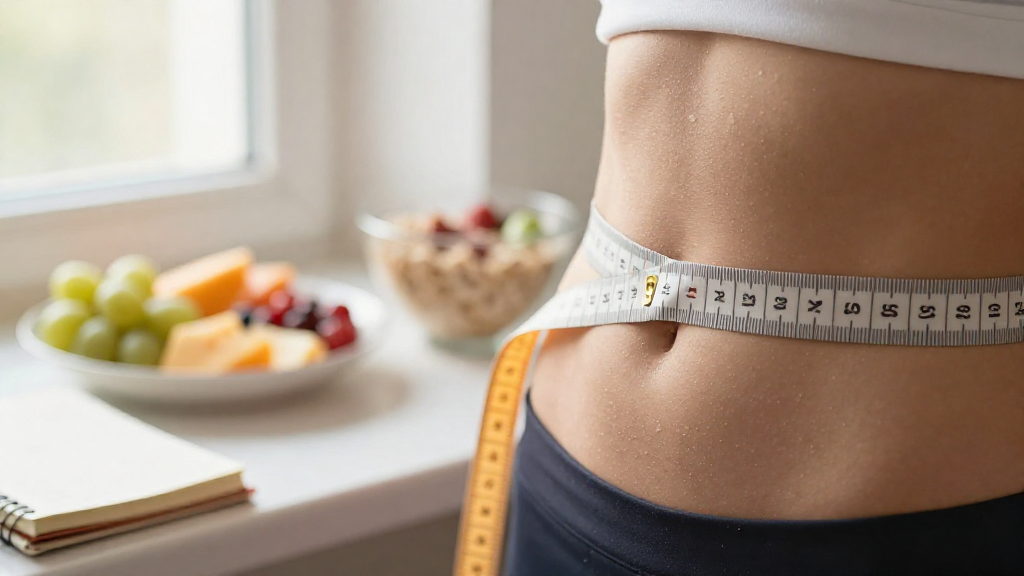
Tracking your fat loss journey can be a tricky business, especially if you are not keen on using a scale.
Fortunately, there are various effective ways to measure your progress without relying solely on numbers.
In this article, we’ll explore how to measure fat loss without a scale by discussing alternative methods and tools that provide valuable insights into your body transformation.
Why Should You Avoid the Scale?
Is the Scale Serving You?
Many people become fixated on the number they see when stepping on the scale.
However, this number can often be misleading due to several factors:
- Muscle vs. Fat: Building muscle can actually cause the scale weight to stay the same or even increase, even if you’re losing fat.
- Water Retention: Various factors like hydration, salt intake, and hormonal changes can cause temporary fluctuations in weight.
- Body Composition Changes: As you lose fat, your body may compensate in ways that the scale can’t reflect.
Instead of focusing solely on what the scale says, consider these alternative methods to measure your fat loss effectively.
What Are Alternative Ways to Measure Fat Loss?
How to Measure Fat Loss Without a Scale?
Here are some effective ways to track fat loss without ever needing to step on a scale:
- Body Measurements:
- Use a flexible measuring tape to track measurements of different body parts such as:
- Waist
- Hips
- Chest
- Arms
- Thighs
- How to Do It: Measure at the same point on your body each time for consistency.
- Frequency: Every 2-4 weeks is sufficient to see changes.
- Clothing Fit:
- One of the most tangible ways to track fat loss is how your clothes fit.
- Pay attention to how your clothes feel:
- Are they looser around the waist?
- Does your favorite outfit fit better?
- Note: Keep an old pair of jeans or clothes that are a size too small as a benchmark.
- Visual Progress:
- Take progress photos.
- Take pictures from multiple angles in consistent lighting, with consistent clothing, every 2-4 weeks.
- Benefits: Visual representation can help you see changes that you might not notice day-to-day.
- Body Fat Measurements:
- Consider using methods like:
- Skinfold calipers: Measure body fat percentage through skin folds.
- Bioelectrical impedance scales: These can estimate body composition, although they might not be completely accurate.
- DEXA scans: These are high-precision measurements of body composition but may not be accessible to everyone.
- Fitness Performance:
- Track improvements in physical performance as an indicator of fat loss.
- Are you able to lift heavier weights or perform more reps?
- Notice any changes in your endurance during running or cycling?
- Increased performance often correlates with fat loss and improved muscle definition.
How Does Energy Levels and Mood Reflect Fat Loss?
Can You Feel the Changes?
As you continue on your fat loss journey, it’s essential to pay attention to how you feel.
- Increased Energy: Many people experience higher energy levels as they lose fat and gain muscle.
- Improved Mood: Regular exercise and healthier eating can result in better mood states.
- Enhanced Sleep Quality: A leaner body composition often leads to better sleep patterns.
Tracking these attributes can be just as essential as physical measurements.
How Important is Consistency?
Why Should You Stay Steadfast on Your Journey?
Consistency is essential in any fat loss journey.
For best results, consider these tips:
- Set Regular Check-ins: Whether you’re measuring your waist or taking progress photos, be consistent in how often you do it.
- Stay Committed: Fat loss takes time, and it’s important to stick to your diet and exercise regimen even if you feel like you’re not making progress.
- Document Your Journey: Keep a journal of your physical measurements, feelings, and experiences to visualize your progress comprehensively.
What Role Does Nutrition Play in Fat Loss?
How Can Your Diet Influence Measurements?
Proper nutrition is crucial when it comes to tracking fat loss.
- Balanced Diet: Focus on a well-rounded diet that includes:
- Lean proteins
- Healthy fats
- Whole grains
-
Fruits and vegetables
-
Hydration: Stay well-hydrated to assist in metabolism and promote overall well-being.
-
Mindfulness: Recognize the emotional aspects of eating and try maintaining a healthy relationship with food.
How Can You Stay Motivated on the Journey?
What Can Inspire You to Keep Going?
Tracking fat loss without a scale means embracing the overall journey rather than fixating on numbers.
- Join Support Groups or Classes: Social connections can motivate you to stay on track.
- Reward Yourself: Create a non-food reward system that celebrates milestones in your progress.
- Stay Educated: Read articles, watch videos, or consult with a nutritionist or personal trainer.
In Summary
While weighing yourself might provide you with a quick measurement of your physical weight, it doesn’t accurately depict your fat loss journey.
Learning how to measure fat loss without a scale involves a multi-faceted approach.
From body measurements to performance metrics, there are many ways to assess your fat loss progress.
Remember, this journey isn’t just about the numbers but also how you feel and how your body transforms over time.
Stay consistent, celebrate small victories, and enjoy the process!