Are you wondering how to measure fat burning effectively?
Understanding your body’s fat-burning capabilities can help you achieve your health and fitness goals.
In this article, we will explore various methods to assess whether your body is burning fat, providing you with insights and strategies to track your progress.
What Are the Signs of Fat Burning?
When you engage in physical activities, your body switches from using carbohydrates as its primary fuel source to burning fat, especially during low-intensity sustained exercise. Here are some key indicators that you might be burning fat:
- Increased Energy Levels: Many people report feeling more energized as they fat adapt, allowing them to exercise longer.
- Reduced Hunger: As fat oxidation increases, many find their cravings decrease, making it easier to stick to a diet.
- Body Composition Changes: You may notice your clothes fitting looser, or you could observe changes in muscle definition as fat diminishes.
- Consistent Fat Loss: Over time, tracking your weight or, more importantly, your body measurements can indicate whether fat loss is occurring.
How to Measure Fat Burning with a Ketone Monitor?
The use of ketone monitors can help you determine whether your body is in a fat-burning state.
When your body enters ketosis, it primarily burns fat for energy, and ketones become the alternative fuel.
Here’s how to use a ketone monitor:
-
Choose Your Monitor: There are many types available, such as breath, blood, and urine monitors.
-
Test Before and After Exercise: This helps you measure how your ketone levels change with physical activities.
-
Track Your Diet: Keeping a food diary can show correlations between diet and your fat-burning status.
Tip: Target ketone levels between 0.5 and 3 mmol/L to indicate effective fat burning.
Can You Measure Fat Burning During Exercise?
Absolutely! Monitoring your heart rate during exercise can reveal if you’re in the appropriate zone for fat burning.
What Heart Rate Should You Aim For?
To maximize fat burning during exercise, aim for 60% to 70% of your maximum heart rate.
Here’s how to calculate it:
- Determine Your Maximum Heart Rate: Subtract your age from 220.
- For example, a 30-year-old’s maximum heart rate is 220 – 30 = 190 bpm.
- Calculate Your Fat-Burning Zone: Multiply your maximum heart rate by 0.6 and 0.7.
- For a 30-year-old:
- 190 bpm x 0.6 = 114 bpm
- 190 bpm x 0.7 = 133 bpm
This range (114 to 133 bpm) is optimal for burning fat during workouts.
How to Use Body Measurements?
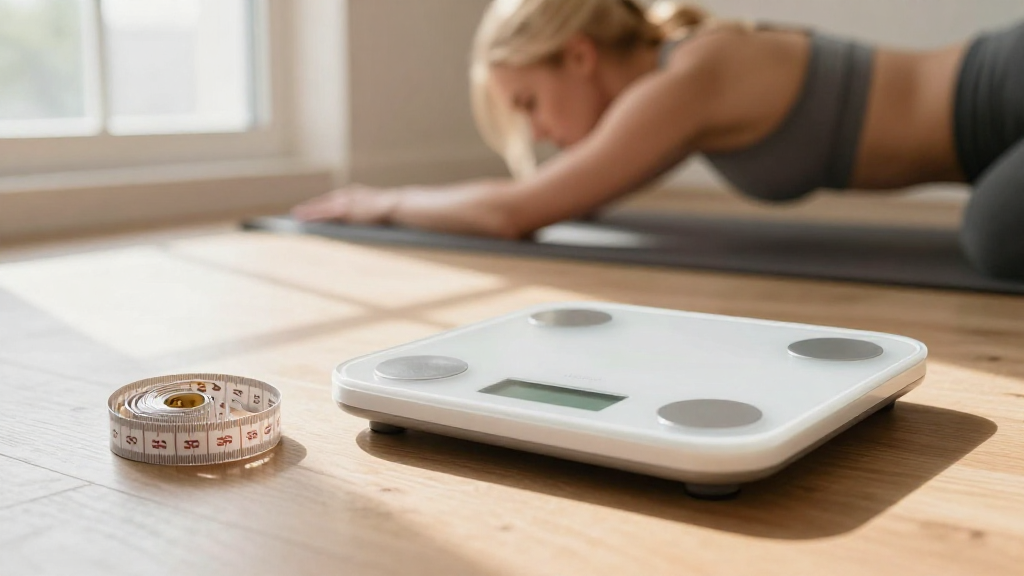
Another effective method in learning how to measure fat burning is through regular body measurements.
What Measurements Should You Take?
- Waist Circumference: A reduction here often indicates fat loss.
- Body Fat Percentage: This can be measured using calipers, body fat scales, or DEXA scans.
- Skinfold Thickness: It involves measuring fat in specific areas of your body using calipers.
How to Record Your Measurements?
- Frequency: Measure once a week at the same time of day to maintain consistency.
- Tools: Use the same measuring tape or caliper for accuracy.
Tip: Be sure to track your progress rather than obsessing over the scale alone, as muscle gain can offset fat loss.
Are Supplements Useful in Measuring Fat Burning?
Certain supplements can aid in fat burning and improve your overall metabolism.
Here are popular options:
- CLA (Conjugated Linoleic Acid): May help promote fat loss and support a lean body composition.
- L-Carnitine: Assists in the transportation of fatty acids into your mitochondria for energy production during workouts.
- Green Tea Extract: Contains antioxidants that can boost metabolism and enhance fat burning.
How to Best Use Supplements?
- Consult with a Physician: Discuss what’s best for your specific health needs.
- Combine with Exercise & Diet: Supplements should be used in conjunction with physical activity and a balanced diet.
What Role Does Diet Play in Fat Burning?
Truth is, a healthy diet is crucial in how to measure fat burning.
Carbohydrates, proteins, and fats provide energy for your workouts, and your macronutrient ratio can significantly affect fat loss.
How to Optimize Your Diet for Fat Loss?
- Focus on Whole Foods: Incorporate fruits, vegetables, whole grains, lean proteins, and healthy fats.
- Reduce Sugar and Refined Carbs: These can lead to spikes in insulin, which can hinder fat burning.
- Hydration: Drinking enough water helps in fat metabolism. Aim for at least 2 liters a day.
Tip: Consider intermittent fasting or low-carb diets as these can shift your body into a fat-burning mode.
How to Use Fitness Trackers?
Advanced fitness trackers can be invaluable tools for determining how well you’re burning fat.
These smart devices can measure:
- Active Calories Burned: Real-time data helps you see how many calories you are burning throughout the day.
- Heart Rate: Keeping track of your heart rate zones can ensure you’re working within your fat-burning range.
How to Choose the Right Fitness Tracker?
- Research Features: Look for heart rate monitoring, GPS, and integrations for comprehensive data.
- User Reviews: Check out feedback regarding accuracy and ease of use.
In Conclusion
Understanding how to measure fat burning is crucial for your fitness journey.
Using a combination of methods – including:
- Heart rate monitoring
- Body measurements
- Ketone testing
- Dietary considerations
You can effectively track your progress and make necessary adjustments to your fitness routine.
Ultimately, achieving fat loss takes time and consistency.
So, stay motivated, keep pushing, and soon enough, you’ll better understand your body’s fat-burning capabilities.