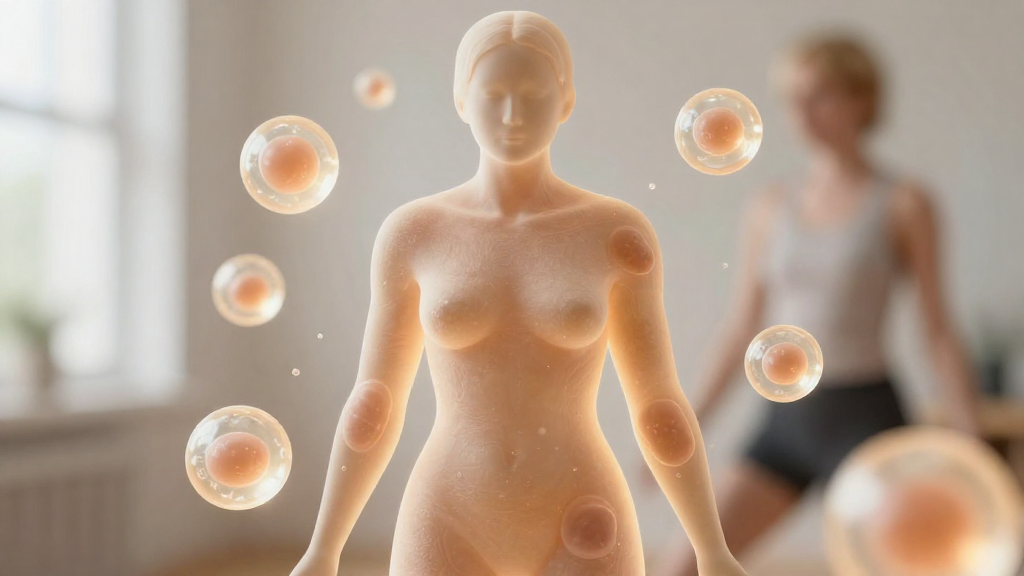
When you lose fat, how fat cells shrink is a fascinating process that involves more than just reduced size. Understanding what happens inside your body can empower your weight loss journey and help maintain a healthy lifestyle.
How Do Fat Cells Function in the Body?
Fat cells, also known as adipocytes, serve several critical functions:
-
Energy Storage: Fat cells store energy in the form of triglycerides, which can be converted into usable energy during times of need.
-
Hormone Regulation: These cells release hormones like leptin, which helps regulate appetite and metabolism.
-
Insulation and Protection: Fat cells provide insulation to keep our body warm and protect our organs from injury.
Understanding the role of fat cells in the body underscores their importance, which raises the question: what actually happens to fat cells when you lose weight?
What Happens to Fat Cells When You Lose Fat?
When exploring how fat cells shrink during weight loss, it’s essential to grasp the underlying metabolic changes.
1. Fat Cell Size Decreases
As you lose weight through diet and exercise, the size of existing fat cells decreases.
- Stored triglycerides are broken down into fatty acids and glycerol.
- These components are then released into the bloodstream and utilized as energy.
This reduction in fat cell size is a key understanding of how fat cells shrink. It’s not that fat cells disappear; rather, they simply reduce in volume.
2. Fat Cell Number Remains Constant
Interestingly, while the size of fat cells diminishes, the number of fat cells typically remains relatively stable in adulthood.
- New fat cells can form through a process known as adipogenesis, especially if excess calories are consistently consumed.
- Weight gain can lead to the creation of additional fat cells, but during weight loss, the existing fat cells primarily reduce in size.
This indicates that maintaining weight loss requires more than just shrinking fat cells; keeping a mindful eating habit and exercise regime is also critical.
How Does Losing Fat Affect Hormones?
Weight loss doesn’t just impact the size and number of fat cells; it also alters hormonal balance within the body.
1. Leptin Levels Decrease
Leptin is often referred to as the “satiety hormone.”
- As fat cells shrink, they produce less leptin.
- This can lead to increased hunger and cravings, making it challenging to maintain weight loss.
2. Ghrelin Levels May Rise
Ghrelin, known as the “hunger hormone,” has a crucial role in appetite regulation.
- When fat cells shrink, ghrelin levels may rise, signaling the brain to drive appetite.
- This physiological response can create a compelling urge to eat, especially when individuals attempt to sustain a calorie deficit.
These hormonal changes emphasize the importance of understanding how fat cells shrink and their role in hunger cues during weight loss.
Can Fat Cells Regenerate?
Yes, fat cells can regenerate; however, they typically do so under conditions that promote weight gain.
-
Excess Caloric Intake: When an individual consistently eats more energy than they expend, the body may respond by forming new fat cells.
-
High Sugar Diets: Diets rich in sugars can lead to fat cell proliferation as the body seeks to store the excess energy.
-
Genetic Factors: Some individuals may have a genetic predisposition that influences how their body stores fat and the number of fat cells created.
The ability of fat cells to regenerate highlights the importance of lifestyle choices in managing weight effectively.
Do Fat Cells Ever Fully Disappear?
One common misconception is that fat cells can completely disappear.
- Though fat cell size can significantly reduce, complete fat cell loss is rare in adults.
- Even with substantial weight loss, fat cells remain; they simply become less metabolically active.
Understanding this fact reinforces the need for ongoing maintenance efforts, such as regular exercise and balanced nutrition, to manage body fat levels effectively.
How Can You Sustain Fat Loss?
To maintain long-term weight loss and prevent the regrowth of fat cells, consider the following strategies:
-
Balanced Nutrition: Focus on whole foods that are nutrient-dense, emphasizing fruits, vegetables, lean proteins, and healthy fats.
-
Regular Exercise: Engage in both cardiovascular and strength training activities to boost metabolism and promote fat loss.
-
Stay Hydrated: Drinking sufficient water is crucial for metabolic processes and can help manage appetite.
-
Adjust Portions Mindfully: Pay attention to portion sizes and try to eat slowly, allowing your body time to recognize when it feels full.
-
Seek Support: Enlist friends, family, or professionals who can provide motivation and accountability throughout your weight loss journey.
Why Is Understanding Fat Cell Dynamics Important?
Learning about how fat cells shrink and their responses to weight loss is instrumental in crafting effective weight management strategies.
- Mindful Eating: Knowing how hormones affect hunger helps promote mindful eating habits, minimizing impulsive food choices.
- Realistic Expectations: Recognizing that fat cells don’t entirely disappear offers a more realistic view on body weight and fat management.
- Sustainable Lifestyle: An informed approach to fat loss can lead to sustainable lifestyle changes that focus on overall well-being rather than just temporary fixes.
Conclusion
In summary, when we examine how fat cells shrink, it becomes clear that weight loss is a multifaceted process involving both physiological and psychological dimensions.
Fat cells may reduce in size, but understanding their persistent presence in the body emphasizes the need for continuous healthy habits.
By fostering informed choices related to nutrition and exercise, individuals can navigate the challenges of weight loss and create a sustainable path to health and wellness. Remember, it’s essential to view this journey as a holistic pursuit, focusing on both physical and mental well-being.