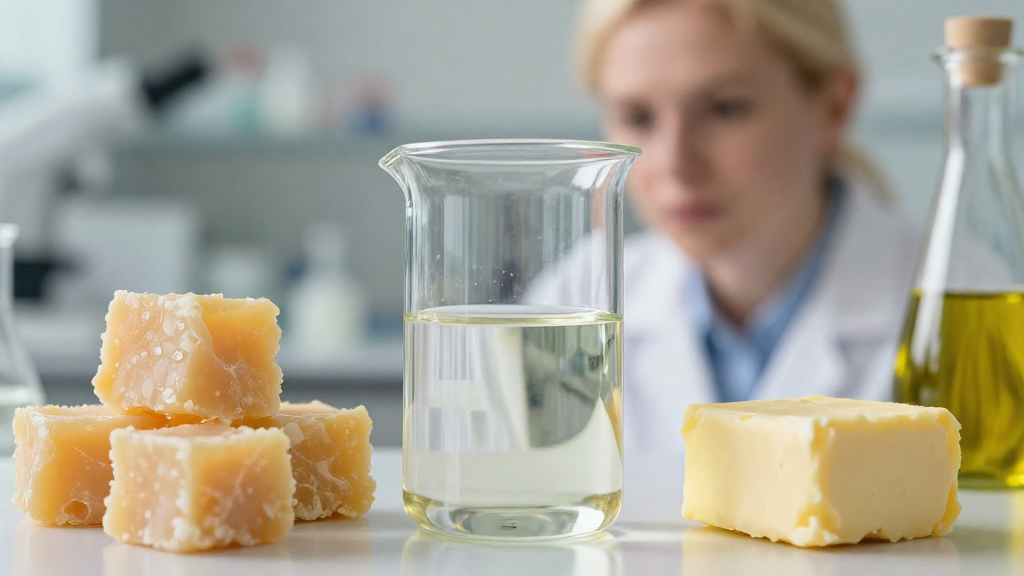
Have you ever wondered how enzymes break down fat in our bodies? This process is crucial for digestion and energy production, and understanding it can help us appreciate the complexity of our digestive systems.
What Are Enzymes and Their Role in Digestion?
Enzymes are biological catalysts that facilitate various biochemical reactions in the body.
They are proteins that speed up chemical reactions without being consumed in the process.
In the context of digestion, enzymes play a vital role in breaking down food into simpler molecules that our bodies can utilize.
There are different types of digestive enzymes, and they are classified based on the type of nutrients they act upon:
-
Carbohydrases: Break down carbohydrates.
-
Proteases: Break down proteins.
-
Lipases: Break down fats.
When discussing how enzymes break down fat, we’re primarily focused on lipases.
How Do Enzymes Break Down Fat?
So, how do enzymes break down fat?
The breakdown of fats begins in the stomach and continues in the small intestine. Here’s a step-by-step look at the process:
1. Emulsification
Before the action of lipases can take place, fats need to be emulsified.
This means they must be broken down into smaller droplets to increase their surface area for enzyme action.
Bile salts, produced by the liver and stored in the gallbladder, play a crucial role in this. They help disperse fat in the watery environment of the intestine.
2. The Role of Lipases
Once emulsification occurs, lipases come into play.
These enzymes are secreted by the pancreas into the small intestine, where they function optimally.
Pancreatic lipase is the primary enzyme responsible for fat digestion. It breaks down triglycerides (the main component of dietary fats) into:
- Free fatty acids
- Monoglycerides
This step is essential for the body to absorb fat and utilize it effectively.
3. Absorption
After lipases break down fat into its component parts, these smaller molecules can be absorbed.
This happens in the microvilli of the intestinal lining.
Once inside the intestinal cells, free fatty acids and monoglycerides are reassembled into triglycerides, which are then packaged into chylomicrons.
These chylomicrons enter the lymphatic system before eventually reaching the bloodstream, making fat nutrients available to the cells of the body.
What Factors Influence Lipase Activity?
Several factors play a significant role in the effectiveness of how enzymes break down fat:
1. Temperature
Enzymes function best at certain temperatures. Most human enzymes, including lipases, work optimally at around 37°C, the normal body temperature.
2. pH Levels
The pH levels of the environment can also affect enzyme activity. Pancreatic lipase operates best in a slightly alkaline environment, which is achieved after bile salts are released into the small intestine.
3. Presence of Inhibitors
Certain substances can inhibit enzyme activity. For example, medications, high-fat diets, or specific medical conditions can interfere with how enzymes break down fat.
4. Diet Composition
A diet high in healthy fats may enhance lipase production, while a highly processed diet may lead to decreased enzyme efficiency.
Can Supplementing with Enzymes Enhance Fat Digestion?
Many people wonder if taking enzyme supplements can improve fat digestion.
While they may offer benefits for some, it’s essential to consult with a healthcare professional before starting any supplementation.
Some potential advantages include:
-
Improved digestion: People with digestive disorders may benefit from enzyme supplements.
-
Reduced abdominal discomfort: Enzyme supplements can alleviate symptoms like bloating and gas.
However, for individuals with healthy digestive systems, additional enzymes may not significantly enhance fat breakdown.
What Are the Health Benefits of Efficient Fat Breakdown?
Understanding how enzymes break down fat can also shed light on the numerous health benefits of effective fat digestion:
-
Energy Production: Fats are a primary source of energy, providing more calories per gram than carbohydrates or proteins.
-
Nutrient Absorption: Adequate fat digestion aids in the absorption of fat-soluble vitamins (A, D, E, and K).
-
Weight Management: Efficient fat breakdown can help regulate body weight by preventing excess fat storage.
-
Overall Health: A balanced intake of healthy fats contributes to heart, brain, and skin health, among others.
What Foods Promote Enzyme Function?
Incorporating certain foods into your diet can enhance enzyme function, ultimately promoting better fat digestion. Here are some beneficial foods to consider:
1. Healthy Fats
- Avocados: Packed with monounsaturated fats.
- Nuts and Seeds: Provide essential fatty acids.
- Olive Oil: A source of healthy unsaturated fats.
2. Fermented Foods
- Yogurt: Contains live cultures that can enhance gut health.
- Sauerkraut: A source of probiotics that promote digestive health.
3. Enzyme-Rich Foods
- Pineapple: Contains bromelain, which aids digestion.
- Papaya: Contains papain, another digestive enzyme.
Conclusion
Understanding how enzymes break down fat is essential for proper digestion and overall health.
The pivotal role of enzymes, particularly lipases, in fat digestion, emphasizes the need for a balanced diet rich in healthy fats, probiotics, and enzymes to support digestive health.
By promoting effective digestion, we can enjoy the health benefits that come from a well-functioning digestive system.
If you have concerns about your fat digestion or enzyme function, consider reaching out to a healthcare professional for personalized advice and recommendations.