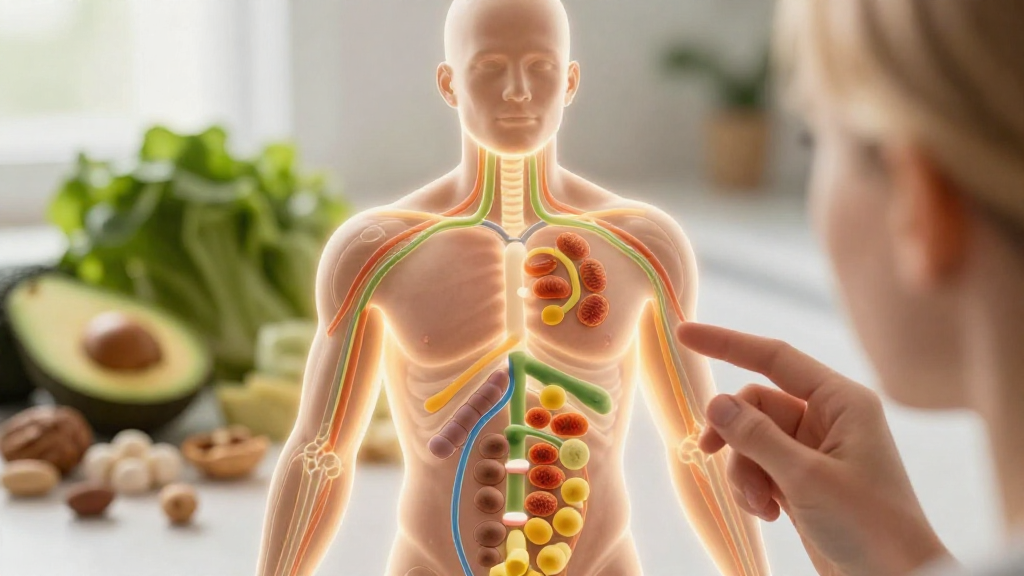
Understanding how the body uses fat for energy is a fundamental aspect of human physiology.
This process is essential not only for day-to-day functionality but also for maintaining a healthy lifestyle.
In this article, we will explore the complex mechanisms by which fat is converted to energy, the influence of diet and exercise, and how this process affects overall well-being.
What Role Does Fat Play in Energy Production?
Fat, or adipose tissue, serves as a critical energy reservoir.
It is an integral part of the body’s metabolic processes:
-
Energy Storage: Fat is stored in the body mainly in adipose tissues, which serve as energy reserves that can be drawn upon during periods of low caloric intake or increased physical activity.
-
Insulation and Protection: Aside from being a fuel source, fat insulates body organs and helps maintain body temperature.
-
Hormonal Balance: Fat cells produce hormones that are essential for regulating metabolism and overall health.
Understanding how the body uses fat for energy begins with recognizing the role of fatty acids.
These molecules are broken down from stored fat to produce the energy required for bodily functions.
How Does the Body Break Down Fat?
The conversion of fat to energy involves several metabolic pathways, primarily lipolysis and beta-oxidation.
What Is Lipolysis?
Lipolysis is the first step in breaking down fat stores.
This process involves:
- The breakdown of triglycerides (the form in which fat is stored) into glycerol and fatty acids.
- Hormones such as glucagon, epinephrine, and cortisol initiate lipolysis when energy is needed.
Once fatty acids are released into the bloodstream, they became available for energy production.
How Do Fatty Acids Get Converted into Energy?
Once released, fatty acids travel to the cells where they undergo beta-oxidation.
What Is Beta-Oxidation?
Beta-oxidation is the metabolic process that converts fatty acids into Acetyl-CoA, a key molecule in energy production.
-
Location: This process occurs in the mitochondria, often referred to as the powerhouse of the cell.
-
Sequence of Reactions: Fatty acids are broken down in a series of reactions that remove two-carbon units, converting them into Acetyl-CoA.
The Acetyl-CoA produced from fatty acids then enters the Krebs cycle, where it plays a significant role in ATP (adenosine triphosphate) production—the energy currency of the cell.
How Does the Role of Insulin Affect Fat Utilization?
The hormone insulin plays a crucial role in fat metabolism and energy production.
How Does Insulin Work?
Insulin is released by the pancreas when we eat, especially after consuming carbohydrates.
-
Energy Storage: It promotes the storage of glucose and fat, inhibiting lipolysis and fat breakdown.
-
Prioritization of Carbohydrates: High insulin levels signal the body to use glucose for energy instead of fat.
This intricate relationship suggests that how the body uses fat for energy can be influenced significantly by diet and insulin response.
Why Is Exercise Important for Fat Use?
Understanding the impact of physical activity on fat metabolism is crucial.
How Does Exercise Impact Fat Breakdown?
Regular exercise stimulates the body’s ability to utilize fat as a source of energy. Here’s how:
-
Cells become more sensitive to hormones that promote lipolysis and fat utilization.
-
Increased demand for energy leads to more efficient fatty acid utilization during and after exercise.
-
Type of exercise matters—aerobic activities such as running and cycling are particularly effective for promoting fat oxidation.
Studies have shown that individuals who maintain a physically active lifestyle tend to have a higher rate of fat oxidation when compared to sedentary individuals.
What Is the Impact of Diet on Fat Metabolism?
Diet plays a critical role in determining how the body uses fat for energy.
What Types of Diets Enhance Fat Utilization?
-
Low-Carb Diets
– Encourage the body to use fat for energy due to reduced insulin levels. -
Intermittent Fasting
– Promotes fat catabolism (breakdown) by extending periods without food consumption. -
Ketogenic Diet
– Encourages the exclusive use of fats as a primary energy source by drastically reducing carbohydrate intake.
Choosing a diet rich in healthy fats, protein, and fiber can significantly impact how the body uses fat for energy.
What Nutrients Enhance Fat Utilization?
- Omega-3 Fatty Acids: Found in fish and flaxseed, they promote fat oxidation.
- L-Carnitine: An amino acid derivative that aids the transport of fatty acids into the mitochondria.
How Do Chronic Conditions Affect Fat Metabolism?
Certain health conditions can drastically affect how the body uses fat for energy.
What Conditions Affect Fat Metabolism?
-
Obesity: Causes hormonal imbalances that can impair lipolysis and fat oxidation.
-
Diabetes: Alters insulin signaling, significantly impacting fat and carbohydrate utilization.
-
Thyroid Disorders: Can either slow down or speed up metabolism, affecting how fats are used.
Managing these conditions can improve fat metabolism, leading to better energy utilization and overall health.
Conclusion: The Interconnectedness of Diet, Exercise, and Metabolism
In summary, understanding how the body uses fat for energy reveals a complex network of interactions between hormones, diet, and exercise.
By fostering an active lifestyle and adopting balanced eating habits, individuals can enhance their body’s ability to convert fat into usable energy.
This, in turn, contributes to better health, improved athletic performance, and effective weight management.
Understanding the science behind fat metabolism isn’t just for athletes—it’s relevant for everyone looking to optimize their health and energy levels, making this knowledge pivotal in today’s health-conscious society.
Investing in knowledge about fat metabolism ultimately leads to more informed choices that can benefit both mind and body.