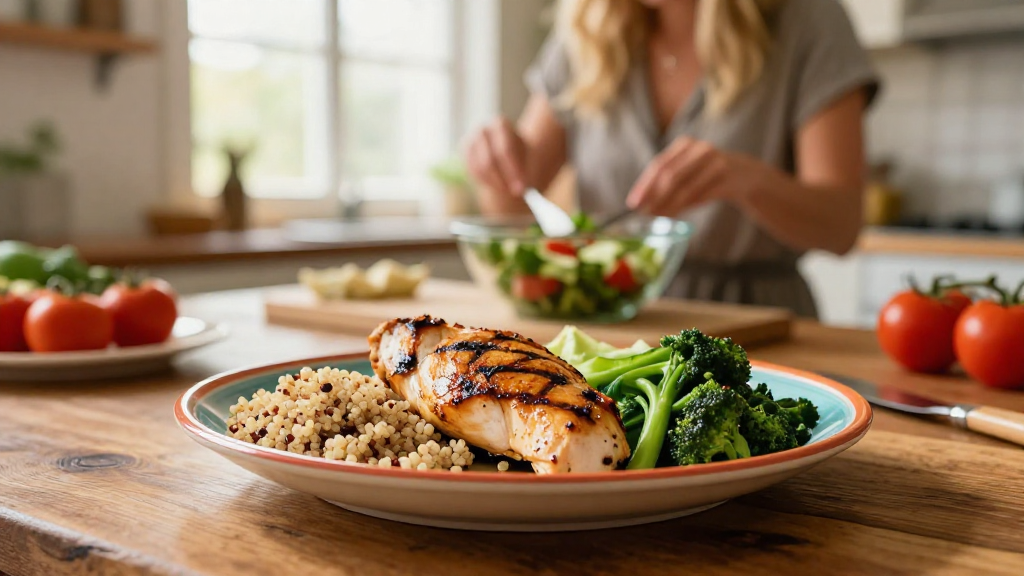
Fat burning with high protein diets has been a topic of significant interest for both fitness enthusiasts and those looking to optimize their weight loss efforts.
But how does a high protein diet contribute to fat loss?
What Are High Protein Diets?
High protein diets typically include a larger proportion of protein compared to carbohydrates and fats.
This nutritional approach often consists of:
- Lean meats like chicken, turkey, and fish
- Eggs and dairy products like Greek yogurt and cottage cheese
- Plant-based sources such as beans, lentils, and quinoa
- Protein supplements like whey or plant-based protein powders
Switching to a high protein diet can encourage satiety and assist with muscle preservation during weight loss, leading to an effective fat-burning process.
Do High Protein Diets Actually Promote Fat Burning?
The relationship between protein intake and fat burning is backed by an array of scientific research.
Here are some key insights:
-
Increased Satiety:
Higher protein consumption can help you feel full longer.
This can reduce cravings and lessen the likelihood of overeating, leading to overall decreased calorie intake. -
Thermogenic Effect:
Protein has a higher thermogenic effect compared to fats and carbohydrates.
This means that burning protein for energy can require more calories than burning the other macronutrients. -
Muscle Preservation:
Consuming adequate protein helps prevent muscle loss during weight loss.
Preserving muscle is crucial, as muscle tissue burns more calories at rest compared to fat tissue.
These factors combined indicate that high protein diets indeed may support fat burning effectively.
How Much Protein Should You Eat?
So, how much protein is necessary for optimizing fat burning with high protein diets?
While the exact requirement can vary based on age, gender, and activity level, general guidelines suggest:
- For Weight Loss: Aim for about 1.6 to 2.2 grams of protein per kilogram of body weight.
- For Muscle Preservation: Consuming 1.6 grams per kilogram is often recommended.
It’s essential to tailor your protein intake based on your unique goals and circumstances. Consulting with a healthcare professional or a nutritionist can help fine-tune these numbers based on your specific needs.
What Are the Benefits of High Protein Diets for Fat Loss?
When considering the fat burning with high protein diets, several benefits emerge:
Improved Body Composition
High protein diets can lead to favorable changes in body composition.
Researchers have found that individuals following a high protein regimen often experience:
- Reduced fat mass
- Increased muscle mass
- Improved metabolic rates
These changes can enhance overall health and well-being while facilitating fat loss.
Reduced Risk of Weight Regain
Following a high protein diet may help you maintain your weight loss in the long run.
Studies suggest that those who consume higher amounts of protein are less likely to regain weight after a diet.
This is likely due to:
- Enhanced satiety
- Increased muscle preservation
- Better metabolic function
Lower Blood Sugar Levels
Recent research has indicated that higher protein consumption may help regulate blood sugar levels.
This is particularly beneficial for those at risk of type 2 diabetes.
By stabilizing blood sugar, you’ll likely experience fewer energy swings and cravings, facilitating effective fat burning.
Are There Any Downsides to High Protein Diets?
While fat burning with high protein diets brings numerous advantages, it’s crucial to consider potential downsides, including:
-
Nutritional Imbalance:
Solely focusing on protein may lead to deficiencies in important vitamins and minerals typically found in fruits and vegetables. -
Kidney Health Concerns:
For individuals with pre-existing kidney conditions, high protein diets could put extra strain on the kidneys. -
Digestive Issues:
A sudden increase in protein intake can lead to digestive discomfort, such as constipation or bloating, especially if fiber is neglected. -
Sustainability:
Maintaining a high protein diet may be challenging long term, especially if dietary preferences lean toward plant-based options.
How Can You Incorporate More Protein Into Your Diet?
If you’re looking to enhance fat burning with high protein diets, consider these practical tips:
-
Start with Breakfast:
Incorporate high protein foods into your morning meal.
Options include omelets, Greek yogurt, or protein smoothies. -
Snack Smart:
Choose protein-rich snacks like nuts, seeds, or jerky to keep your energy levels stable throughout the day. -
Experiment with Different Sources:
Diversify your protein sources beyond meat. Try legumes, tofu, tempeh, and dairy alternatives. -
Plan Your Meals:
By preparing meals in advance, you can ensure that you’re meeting your protein goals. -
Use Supplements Wisely:
If it’s challenging to meet your protein requirements through food alone, consider incorporating protein powders.
In Conclusion
In summary, fat burning with high protein diets can be an effective strategy for those seeking to lose weight while maintaining muscle mass.
Increased satiety, a higher thermogenic effect, muscle preservation, and improved body composition are just a few benefits that come with embracing protein-rich foods.
However, it’s essential to approach this dietary change thoughtfully to avoid nutritional deficiencies and other potential issues.
Consulting with a nutrition expert can guide you in crafting a balanced plan tailored to your specific needs.
By understanding and implementing these principles, you can harness the power of protein for successful fat burning and achieve your weight loss goals more effectively.