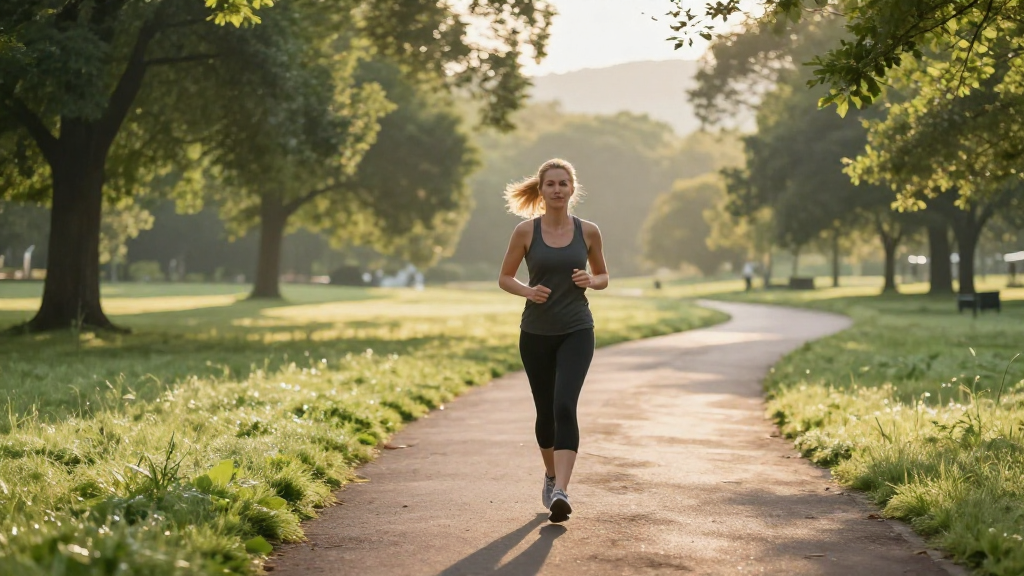
When it comes to achieving your fitness goals, understanding the ideal fat burning walking pace is crucial.
Walking is a low-impact exercise that can be easily incorporated into your daily routine.
But for those seeking to burn fat efficiently, determining the right walking pace is essential.
In this article, we will explore what constitutes an effective fat burning walking pace and how to maximize your walking routine for optimal fat loss.
What is the Ideal Fat Burning Walking Pace?
The term fat burning walking pace refers to the speed at which you walk that maximizes the number of calories burned from fat stores rather than from carbohydrates.
This pace is generally around 50-70% of your maximum heart rate.
How Do You Calculate Your Fat Burning Zone?
To find your ideal fat burning walking pace, first, you’ll need to know your maximum heart rate.
A simple way to calculate this is:
-
Subtract your age from 220.
– For example, if you’re 30 years old: 220 – 30 = 190 beats per minute (BPM). -
Determine your fat burning zone.
– Calculate 50-70% of your maximum heart rate:- 50%: 190 x 0.50 = 95 BPM
- 70%: 190 x 0.70 = 133 BPM
This means that during your walks, your heart rate should ideally be between 95 and 133 BPM for optimal fat burning.
What Speed Equals the Best Fat Burning Walking Pace?
While heart rate provides a good guideline, many prefer to measure pace in terms of speed.
For most people, the ideal fat burning walking pace ranges between 3.5 to 4.5 miles per hour.
However, this may vary based on individual fitness levels, age, weight, and walking experience.
Here are approximate speeds related to different walking paces:
- Casual walking: 2.0 – 3.0 miles per hour
- Moderate pace: 3.0 – 4.0 miles per hour
- Brisk pace: 4.0 – 4.5 miles per hour
Aim to walk at a speed that allows you to maintain a conversation without gasping for breath but still elevates your heart rate.
How Long Should You Walk for Maximum Fat Burning?
Walking duration plays a significant role in fat burning.
To maximize fat loss, aim for:
- At least 30 minutes of continuous walking.
- 5 to 6 days per week to notice significant results.
Why is Duration Important?
-
Increased Caloric Burn:
The longer you walk, the more calories you burn. More time spent walking at your fat burning walking pace translates to higher caloric expenditure. -
Fat Oxidation:
Extended moderate-intensity exercise pushes your body to switch from burning glycogen (carbohydrates) to fat stores. -
Consistency:
Regular walking ingrains the habit, making it easier to achieve your fat loss goals.
Can Walking Pace Affect Your Overall Fat Loss?
Absolutely! The fat burning walking pace you maintain can impact your overall weight loss results.
Factors to Consider
-
Incline:
Walking uphill or on a treadmill with an incline can significantly increase calorie burn. -
Trekking vs. Flat Terrain:
Walking on uneven surfaces or trails can engage more muscles, boosting your metabolism. -
Incorporating Intervals:
Alternating between different walking speeds can help elevate heart rate, contributing to higher fat burn – for instance, walking briskly for 2 minutes and then slowing down for 1 minute.
Should You Combine Walking with Other Exercises?
Combining your walking routine with strength training or other forms of exercise can enhance fat burning.
Consider adding:
- Resistance bands
- Bodyweight exercises
- Yoga or Pilates
This not only helps in building muscle but also increases your overall basal metabolic rate (BMR), resulting in more calories burned, even at rest.
What’s the Best Time to Walk for Fat Burning?
The best time to walk is subjective and largely depends on your schedule and preferences.
That said, each time of day offers unique benefits:
-
Morning Walks:
– Walking first thing in the morning may kickstart your metabolism.
– It might be easier to stay consistent without distractions. -
Lunchtime Walks:
– Great for breaking up long work hours.
– Helps enhance productivity and reduces stress. -
Evening Walks:
– Walking in the evening can be a relaxing way to wind down.
– Can also help regulate digestion after dinner.
Comfort – What Should You Wear for Walking?
To maintain a comfortable fat burning walking pace, wear appropriate gear:
- Comfortable shoes: Opt for supportive walking shoes to prevent injuries.
- Moisture-wicking clothes: Keep yourself dry and comfortable during your walks.
- Accessories: Consider sunglasses, hats, or sunscreen if walking outdoors.
How Do You Stay Motivated to Walk for Fat Burning?
Staying motivated is key in maintaining a consistent walking routine.
Here are helpful tips to keep you on track:
-
Set realistic goals:
Make specific, measurable, achievable, relevant, and time-bound (SMART) goals. -
Track your progress:
Use a fitness app or journal to monitor your walks, heart rate, and feelings. -
Buddy system:
Walking with a friend can make the experience enjoyable and hold you accountable. -
Mixed routines:
Vary your walking routes and incorporate music or podcasts to keep your walks fresh.
Conclusion
Understanding your fat burning walking pace is crucial for achieving your weight loss goals.
By calculating your ideal pace, duration, and incorporating variations into your walks, you’ll maximize your fat-burning potential.
Different times, comfortable clothing, and maintaining motivation all contribute to your success.
Remember, the most crucial part is to enjoy the process and make it an integral part of your lifestyle.
Start your walking routine today, and watch the progress unfold!