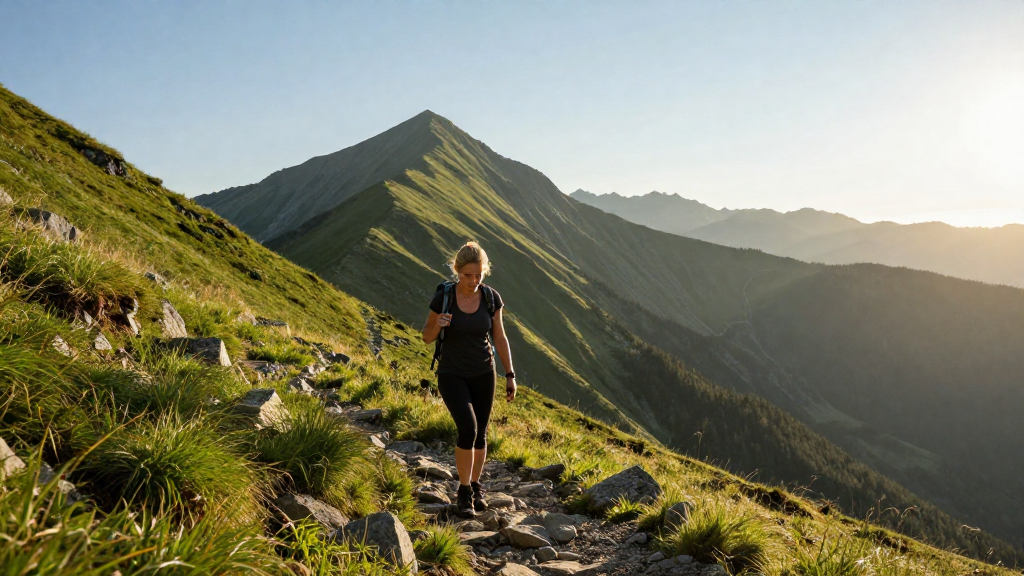
Are you wondering about the fat burning effects of hiking on your body? This article will explore how hiking can aid in fat loss and provide tips and insights for maximizing your outdoor adventures.
What Are the Fat Burning Effects of Hiking?
Hiking is more than just a leisure activity; it’s a fantastic workout that can lead to significant weight loss.
The fat burning effects of hiking are well-established.
When you hike, your body engages in aerobic activity, which is effective for burning calories.
Here are several ways hiking can promote fat loss:
-
Increased Caloric Expenditure: Hiking can burn anywhere from 430 to 550 calories per hour depending on factors like your weight, the difficulty of the trail, and your hiking pace.
-
Elevated Heart Rate: As you navigate inclines and uneven terrain, your heart rate increases, allowing you to burn more calories.
-
Engages Multiple Muscle Groups: Hiking works not only your legs but also your core and upper body if you use trekking poles, leading to a more comprehensive workout.
-
Improves Metabolic Rate: Regular hikes can boost your metabolic rate even after your hike is done, facilitating continued fat burning.
How Can Hiking Be a Great Fat Burning Exercise?
Can Anyone Hike for Fat Loss?
Absolutely! One of the best features of hiking is its inclusivity.
Regardless of fitness level, anyone can partake in this activity.
Here are some key points to consider:
-
Adaptable for All Fitness Levels: There are trails for beginners, intermediate, and advanced hikers.
-
Low Impact: Hiking is easier on your joints compared to high-impact activities like running, making it suitable for individuals with joint issues.
-
Social Interaction: Hiking can be a social activity. Going with friends or family can keep you motivated.
What Type of Hiking Is Most Effective?
Not all hikes are created equal when it comes to burning fat.
The type of hike you choose can significantly influence the fat burning effects of hiking.
Here are some popular hiking types and their benefits:
-
Hill Hiking: Inclines increase the intensity of the workout, effectively raising the heart rate and calorie burn.
-
Backpacking: Carrying a loaded pack adds resistance, which can elevate your heart rate type and requires more calories to carry.
-
Trail Running: A more intense version of hiking, running on trails can torch calories fast while improving endurance.
How Can You Maximize Fat Burning While Hiking?
Maximizing the fat burning effects of hiking involves a combination of strategy, preparation, and smart choices during your hike.
Here are some actionable tips:
-
Choose Steeper Trails: Opt for routes with more inclines to test your strength and keep your heart rate elevated.
-
Use Trekking Poles: They engage your upper body, helping to increase the number of calories burned.
-
Pace Yourself: Start slow and increase your pace over time; this helps improve your endurance and fat-burning efficiency.
-
Stay Hydrated: Dehydration can stall your metabolism. Ensure you have enough water to maintain energy levels.
-
Add Interval Training: Short bursts of speed while hiking can help push your body to burn more calories.
Why Are the Fat Burning Effects of Hiking Beneficial?
What Are the Long-Term Health Benefits of Hiking?
Engaging in regular hikes not only aids in fat loss but also comes with several long-term health benefits:
-
Improved Cardiovascular Health: Regular hiking strengthens your heart, improving overall circulation and reducing the risk of heart disease.
-
Enhanced Mental Health: The combination of exercise and nature exposure can combat anxiety and depression effectively.
-
Bone Strength: Weight-bearing exercises, like hiking, help improve bone density and strength.
-
Increased Longevity: Studies show that regular physical activity contributes to living longer and healthier lives.
Is Hiking Better Than Other Cardio Exercises for Fat Loss?
While various cardio exercises can be beneficial for fat loss, hiking offers unique advantages that make it a favorite among enthusiasts:
-
Connection with Nature: Unlike the monotony of gym workouts, hiking allows you to immerse yourself in natural landscapes, which can enhance mood and motivation.
-
Variety of Trails: Unlike set cardio machines, hiking offers diverse terrains and elevation changes, keeping your body guessing and engaged.
-
Lower Injury Risk: With proper footwear and technique, hiking tends to have a lower injury risk compared to high-impact workouts.
How Often Should You Hike for Effective Fat Loss?
What Is the Ideal Hiking Frequency?
To take full advantage of the fat burning effects of hiking, it is recommended to aim for:
-
At Least 2 to 3 Days a Week: Consistency is critical for long-term fat loss and fitness improvements.
-
Combine With Other Activities: Mix hiking with strength training or other cardio activities to keep your fitness routine dynamic.
-
Listen to Your Body: Ensure you give yourself rest days to recover and avoid burnout or injuries.
Conclusion: Does Hiking Help With Fat Burn?
The answer is a resounding yes!
The fat burning effects of hiking can help improve your fitness levels, enhance mental health, and foster a deeper appreciation for nature.
By choosing the right trails, hiking regularly, and employing strategies to maximize your workout, you can harness the power of hiking to achieve your fat loss goals.
So gather your gear, invite friends or family, and step into the great outdoors for a fulfilling fat-burning adventure.