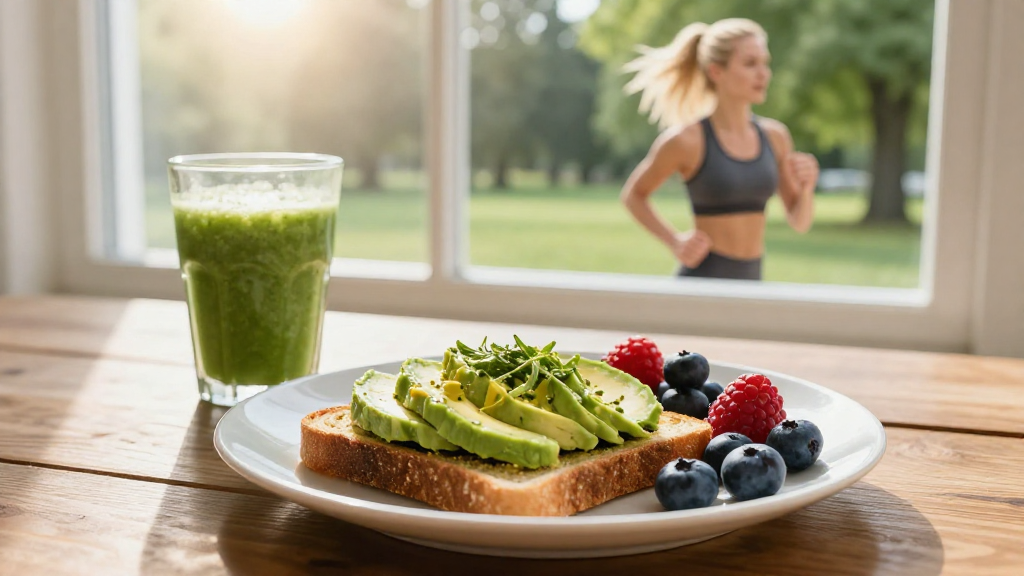
Understanding the connection between fat burning and cholesterol levels is crucial for improving health and managing weight effectively.
In this article, we will explore how fat burning influences cholesterol levels, the role of diet and exercise in this process, and actionable insights to maintain a healthy balance.
What Are Cholesterol Levels?
Cholesterol is a waxy substance found in your blood, essential for building cells and producing hormones.
However, not all cholesterol is the same.
There are two main types:
- Low-Density Lipoprotein (LDL): Often referred to as “bad” cholesterol, high levels can lead to plaque buildup in arteries.
- High-Density Lipoprotein (HDL): Known as “good” cholesterol, it helps remove LDL cholesterol from the bloodstream.
Maintaining a balance between these types of cholesterol is vital for heart health and overall well-being.
How Does Fat Burning Impact Cholesterol Levels?
The process of fat burning and cholesterol levels is interconnected in several ways.
When your body burns fat, it can lead to changes in cholesterol levels:
-
Reduction of LDL Cholesterol:
– When fat is metabolized, it can help lower the amount of LDL cholesterol in the bloodstream.
– This reduction decreases the risk of heart disease and plaque buildup in arteries. -
Increase in HDL Cholesterol:
– As your body burns fat, it can also enhance the levels of HDL cholesterol.
– High HDL levels help transport LDL cholesterol to the liver, where it can be processed and removed from the body. -
Impact of Weight Loss:
– Successful fat burning through weight loss can lead to significant improvements in cholesterol levels.
– Even a modest reduction in body weight can positively impact your lipid profile.
What Role Does Diet Play in Fat Burning and Cholesterol Levels?
The types of foods you eat play a significant role in both fat burning and cholesterol levels.
Here are some dietary strategies that can enhance fat burning and improve cholesterol profiles:
-
Incorporate Healthy Fats:
– Avocados, nuts, seeds, and olive oil can aid fat burning while raising HDL cholesterol.
– These foods provide essential fatty acids that support metabolic processes. -
Increase Fiber Intake:
– Consuming high-fiber foods like fruits, vegetables, whole grains, and legumes can help lower LDL cholesterol levels.
– Fiber binds to cholesterol in the digestive system, preventing its absorption. -
Limit Trans and Saturated Fats:
– Trans fats, often found in processed foods, and saturated fats from certain animal products can raise LDL cholesterol levels.
– Reducing intake of these fats can enhance fat metabolism and lower cholesterol levels. -
Focus on Lean Proteins:
– Opt for lean sources of protein such as chicken, fish, beans, and legumes to support fat burning without compromising cholesterol levels.
How Does Exercise Influence Fat Burning and Cholesterol Levels?
Regular physical activity is one of the most effective ways to promote fat burning and improve cholesterol levels.
Here’s how exercise plays a significant role:
-
Boosts Metabolism:
– Engaging in cardiovascular exercises such as running, swimming, or cycling increases the body’s metabolic rate, enhancing fat burning.
– Higher fat burning rates contribute to a healthier cholesterol profile. -
Improves HDL Levels:
– Regular physical activity raises HDL cholesterol levels, helping transport LDL cholesterol to the liver.
– This process is vital for maintaining a healthy balance of cholesterol in the bloodstream. -
Assists in Weight Management:
– Exercise helps manage body weight, further contributing to lower LDL cholesterol levels and overall fat balance.
– Reducing body fat percentage can lead to better metabolic health. -
Reduces Other Risk Factors:
– Physical activity can lower blood pressure and improve insulin sensitivity, factors that also influence cholesterol levels.
What Are Other Factors Affecting Cholesterol Levels?
Besides fat burning, several other factors can affect cholesterol levels in your body. These include:
-
Genetics:
– Family history can play a critical role in determining cholesterol levels.
– Genetic conditions can result in higher LDL cholesterol and lower HDL cholesterol regardless of lifestyle choices. -
Age and Gender:
– Cholesterol levels tend to increase with age.
– Women may experience shifts in cholesterol levels due to hormonal changes during menopause. -
Medications:
– Certain medications, like statins, can effectively lower LDL cholesterol.
– It’s essential to work with a healthcare provider to manage cholesterol levels effectively. -
Smoking and Alcohol Consumption:
– Smoking can lower HDL cholesterol levels while raising LDL cholesterol.
– Moderate alcohol consumption has been associated with higher HDL levels.
How Can You Optimize Fat Burning and Cholesterol Levels?
To maximize the benefits of fat burning on cholesterol levels, consider the following actionable steps:
-
Regular Check-Ups:
– Regular blood tests can help monitor cholesterol levels and determine necessary lifestyle changes. -
Balanced Diet:
– Focus on a balanced diet that incorporates healthy fats, fiber-rich foods, and lean proteins.
– Stay hydrated and limit sugary foods and beverages. -
Stay Active:
– Aim for at least 150 minutes of moderate aerobic activity or 75 minutes of vigorous activity per week.
– Include strength training exercises at least two times a week. -
Manage Stress:
– Chronic stress can negatively impact cholesterol levels.
– Engage in relaxation techniques, such as yoga and meditation. -
Avoid Smoking and Limit Alcohol:
– Quitting smoking and moderating alcohol intake can significantly improve cholesterol levels.
Conclusion
In summary, the relationship between fat burning and cholesterol levels is intricate and significant.
By understanding how fat burning can lower LDL cholesterol and increase HDL cholesterol, individuals can make informed choices about diet and exercise.
Through balanced nutrition, regular physical activity, and other lifestyle choices, you can optimize fat burning while effectively managing cholesterol levels.
By prioritizing your health, you not only improve cholesterol levels but also enhance overall well-being.
Consider implementing these strategies today to facilitate a healthier, more vibrant lifestyle.