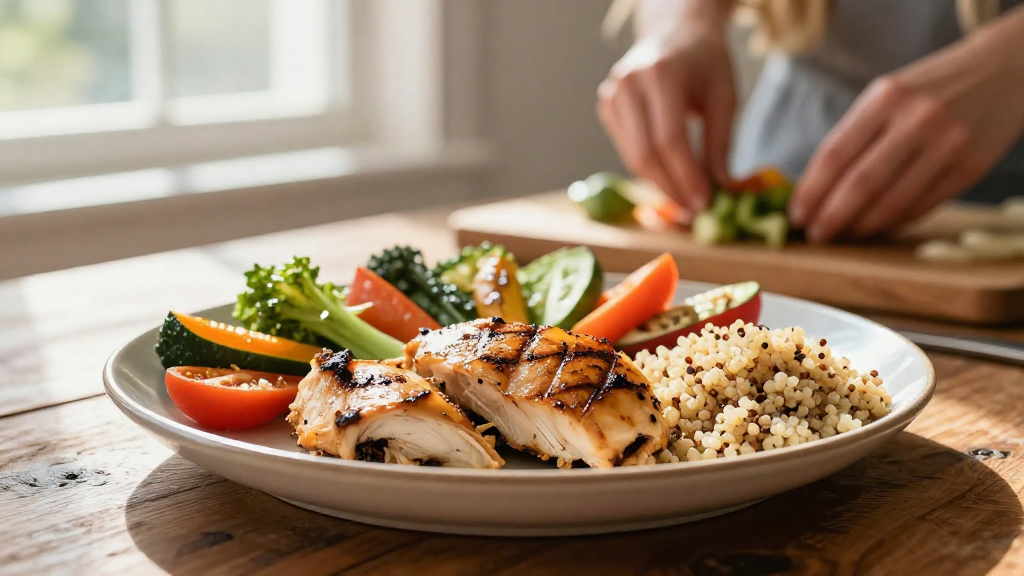
Understanding fat burning and food timing is essential for anyone looking to optimize their weight loss journey.
This article delves into how the timing of your meals can impact fat burn, helping you make informed decisions about your eating schedule.
What Is Fat Burning and Food Timing?
Fat burning refers to the process where your body metabolizes stored fat for energy.
The concept of food timing revolves around the strategic planning of when to eat meals and snacks throughout the day.
But how does the timing of these meals influence fat burning?
Research suggests that meal timing can play a pivotal role in regulating metabolism, managing appetite, and influencing hormonal balance.
Why Does Meal Timing Matter for Fat Burn?
Meal timing can significantly impact your body’s ability to burn fat effectively.
Here are some key factors to consider:
1. Circadian Rhythms
Your body’s internal clock, known as circadian rhythms, influences various biological processes, including:
- Metabolism
- Hormone secretion
- Sleep-wake cycles
Eating in alignment with your natural circadian rhythms can enhance fat burning efficiency.
2. Insulin Sensitivity
Insulin sensitivity determines how effectively your body utilizes glucose for energy.
When you eat at the right times, your body can manage insulin levels more effectively, which aids in fat burning and food timing.
3. Energy Levels Throughout the Day
The timing of your meals can support sustained energy levels.
This, in turn, allows you to engage in more physical activity, which is essential for fat loss.
What Is the Best Meal Timing for Fat Burn?
Now that we understand the importance of meal timing, the question arises: When should you eat to maximize fat burning?
1. Meal Frequency and Scheduling
Some studies suggest that eating smaller, more frequent meals can help maintain energy levels and prevent binge eating, while others advocate for fewer meals.
- Frequent Meals: Eating every 3-4 hours can help stabilize your blood sugar levels.
- Fewer Meals: Eating 2-3 larger meals may improve your body’s ability to burn fat.
2. Pre-Workout Nutrition
What you eat before a workout can significantly affect fat burn.
Consuming a combination of protein and complex carbohydrates 30-60 minutes before your workout can:
- Provide energy for your workout
- Enhance muscle preservation during fat loss
3. Post-Workout Timing
Consistency in post-workout nutrition also plays a crucial role in fat burning.
Eating a balanced meal rich in protein and healthy fats shortly after your workout can aid in muscle recovery and encourage fat loss.
How Does Intermittent Fasting Affect Fat Burn?
Intermittent fasting (IF) has become a popular strategy for enhancing fat burning.
The concept involves alternating periods of eating and fasting, which can have several benefits:
1. Hormonal Changes
Fasting can lead to hormonal changes that promote fat burning:
- Increased growth hormone levels
- Improved insulin sensitivity
2. Caloric Deficit
By limiting the eating window, many individuals unintentionally consume fewer calories, aiding in fat loss.
3. Enhanced Fat Oxidation
During fasting periods, the body switches from using glucose to fat as its primary energy source, enhancing fatty acid oxidation.
Are There Specific Foods That Aid Fat Burning?
When considering fat burning and food timing, it’s essential to focus on the quality of the food you’re consuming.
Here are some types of foods to include in your diet:
1. Lean Proteins
Foods such as chicken, fish, tofu, and legumes help build muscle and increase your metabolic rate.
2. Healthy Fats
Incorporating healthy fats from sources like avocados, nuts, and olive oil can support fat burning.
3. Fiber-Rich Foods
Vegetables, fruits, and whole grains promote satiety and improve digestive health, which is crucial for optimal fat metabolism.
How Does Hydration Impact Fat Burn?
Many people overlook the importance of hydration in relation to fat burning and food timing.
Staying well-hydrated can improve your metabolic rate and enhance fat oxidation.
1. Water Intake Before Meals
Drinking water before meals has been shown to reduce overall calorie intake, aiding in weight loss.
2. Hydration During Workouts
Consuming fluids during and after exercise can optimize performance and recovery, positioning your body to burn fat more efficiently.
How to Implement Effective Meal Timing for Fat Burn?
1. Establish a Routine
Creating a consistent eating schedule can significantly impact hormone levels and metabolism.
2. Listen to Your Body
Pay attention to hunger cues and how you feel throughout the day.
Adjust meal timings based on your energy levels and activity.
3. Experiment with Fasting
Consider trying intermittent fasting to see if it suits your lifestyle and enhances your fat burning efforts.
Conclusion: Does Meal Timing Affect Fat Burn?
The relationship between fat burning and food timing is complex but vital for achieving weight loss objectives.
By strategically planning your meals around your body’s natural rhythms, you can optimize fat burning, enhance energy levels, and improve overall health.
Take charge of your fat loss journey by experimenting with meal timing and finding what works best for you!
By understanding these concepts, you can tailor your nutrition strategy effectively.
In conclusion, meal timing is a powerful tool that can significantly impact your fat loss journey, and it’s essential to keep these principles in mind as you strive for your health and fitness goals.