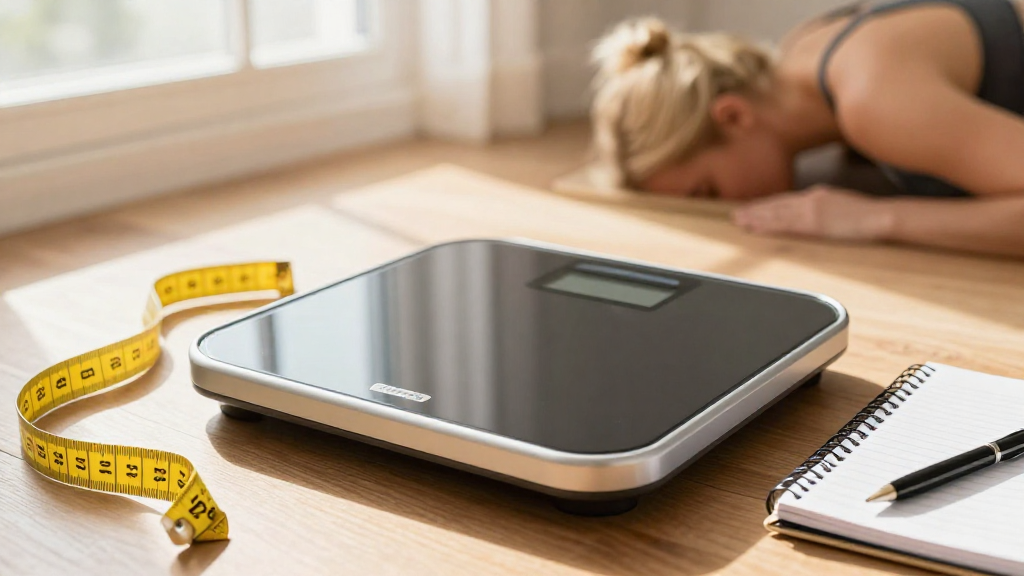
Tracking fat loss effectively is crucial for anyone aiming to achieve their fitness goals.
Understanding how to track fat loss progress can lead to better decision-making and greater success in your health journey.
Why Is Tracking Fat Loss Progress Important?
Effective tracking allows you to:
- Identify Trends: By monitoring changes over time, you can recognize patterns in your weight loss efforts.
- Make Adjustments: If you’re not seeing results, tracking can help you find out what’s not working and change your approach.
- Stay Motivated: Watching your progress can boost your morale and reinforce your commitment to your goals.
What Are the Best Methods to Track Fat Loss Progress?
There are various methods to monitor your fat loss. Here are some of the most effective:
-
Body Weight Scale
– Weighing yourself regularly can provide a clear indication of progress.
– Aim to track your weight at the same time each day, preferably in the morning after using the bathroom.
– Be aware that daily fluctuations are normal due to water retention, but look for trends over weeks. -
Body Measurements
– Use a tape measure to track key areas: waist, hips, chest, arms, and thighs.
– This method helps you see your fat loss even when the scale doesn’t budge.
– Take measurements every two weeks for consistency. -
Body Fat Percentage
– Tracking your body fat percentage gives a clearer picture than weight alone.
– Invest in a body fat scale or use skinfold calipers for measurement.
– Many gyms also offer body composition analysis services. -
Progress Photos
– Taking photos from multiple angles can visually demonstrate your fat loss journey.
– Choose a consistent background and lighting.
– Take photos at regular intervals, such as every month. -
Fitness Tracker Apps
– Utilize applications that allow you to log workouts, food intake, and body measurements.
– Many apps come equipped with features that help you set goals and track your progress.
– Popular choices include MyFitnessPal, Lose It!, and Noom.
How Often Should You Track Fat Loss Progress?
Consistency is key when it comes to measuring fat loss. Here are some tips on frequency:
- Daily Weigh-Ins: Weigh yourself once a day but average out your weekly weight for a more accurate picture.
- Every Two Weeks for Measurements: This frequency allows for gradual changes and avoids obsessing over minor fluctuations.
- Monthly for Progress Photos: A longer interval helps to capture significant changes in your physique.
Why Is Relying on the Scale Alone Not Enough?
Focusing solely on the scale can be misleading. Here’s why:
- Muscle Gains: As you lose fat, you may be gaining muscle, causing your scale weight to remain stable or even increase.
- Water Retention: Fluctuations due to hydration levels can skew daily readings.
- Variability in Body Composition: Composition changes (fat vs. muscle) are crucial in determining overall health.
Thus, incorporating multiple methods is essential in understanding how to track fat loss progress accurately.
What Should You Do If You’re Not Seeing Results?
If your fat loss seems stagnant, consider these strategies:
-
Evaluate Your Diet
– Are you consuming more calories than you’re burning? Reassess your nutrition.
– Focus on whole foods: lean proteins, whole grains, fruits, and vegetables. -
Increase Physical Activity
– Incorporating both strength training and cardiovascular exercises can enhance fat loss.
– Aim for at least 150 minutes of moderate-intensity exercise per week. -
Stay Hydrated
– Lack of hydration can affect metabolism and energy levels.
– Aim for 2-3 liters of water intake daily. -
Get Enough Sleep
– Lack of sleep can hinder fat loss efforts due to hormonal imbalance.
– Aim for 7-9 hours of quality sleep per night. -
Be Patient
– Fat loss takes time, and the journey is often non-linear.
– Maintain your routine and revisit your tracking method to ensure you stay on course.
Can Emotional Factors Affect Tracking Fat Loss Progress?
Absolutely! Emotional well-being plays a significant role in your fat loss journey. Here’s how:
- Stress Eating: Emotional distress can lead to overeating or poor food choices.
- Self-Esteem Issues: Negative body image can demotivate you from following a healthy regime.
- Tracking Interference: Emotional fluctuations can lead to inconsistent tracking, creating uncertainty in progress.
Consider incorporating mindfulness practices such as meditation or yoga to maintain a well-rounded approach to health.
Should You Seek Professional Guidance?
Sometimes, it’s beneficial to enlist professional help. Here are some options to consider:
- Nutritionists or Dietitians: They can help tailor a diet plan suited for your unique needs.
- Personal Trainers: They can provide personalized workout regimes and accountability.
- Weight Loss Coaches: They offer emotional support and strategy consultation for better adherence to your plan.
In Conclusion
Knowing how to track fat loss progress effectively is essential on your journey to a healthier you.
Choosing the right methods—be it through
body weight, measurements, body fat percentage, or progress photos—can provide a holistic view of your progress.
Incorporate emotional and behavioral considerations into your plans, and never hesitate to seek professional guidance when needed.
Remember, fat loss is not just about the numbers; it’s about how you feel mentally and physically.
Stay committed, stay motivated, and use these tools to help you achieve your health and fitness goals!