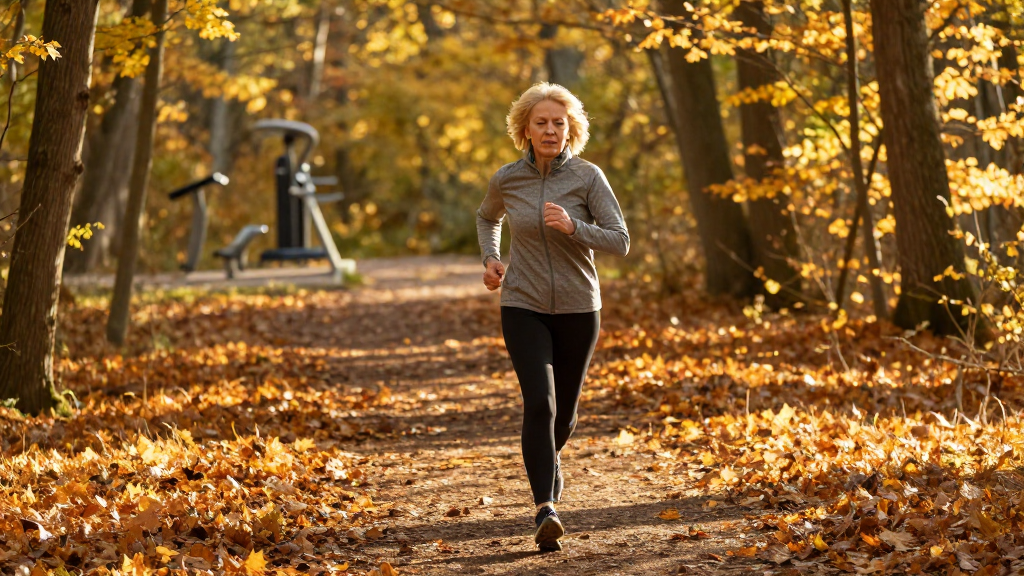
As we age, how fat burning changes with age becomes a crucial topic to understand for maintaining a healthy lifestyle.
This article aims to explore the various factors involved in fat burning as we grow older, including hormonal shifts, metabolic changes, and practical ways to adapt our lifestyle in response.
What Happens to Your Metabolism?
Metabolism refers to the complex processes that convert food into energy.
As you age, your metabolism naturally slows down.
-
Hormonal Changes: Hormones like testosterone and estrogen significantly influence our metabolism. As these hormone levels decline with age, particularly during menopause in women, fat burning can decrease.
-
Muscle Mass Loss: With advancing age, people tend to lose lean muscle mass. Since muscle burns more calories than fat, this reduction results in a lower overall metabolic rate.
-
Fat Distribution Changes: Older adults often experience a shift in fat distribution, which can slow down fat burning and lead to an increase in visceral fat—fat stored around internal organs.
How Does Exercise Impact Fat Burning as You Age?
Physical activity plays a vital role in how fat burning changes with age.
-
Less Activity: Many people become less physically active as they age, which directly impacts their ability to burn fat effectively.
-
Types of Exercise Matter: Incorporating strength training into your routine is crucial.
- Strength Training: Helps build and maintain muscle mass, which can counteract the natural decline due to aging.
-
Aerobic Exercise: Activities such as walking, cycling, and swimming are great for increasing overall calorie expenditure.
-
Flexibility and Balance: Engaging in yoga or balance exercises can improve overall mobility, making it easier to stay active.
Why Do Eating Habits Change Over Time?
Eating habits often shift as we age, significantly impacting how fat burning changes with age.
-
Decreased Caloric Needs: As metabolism slows, you may require fewer calories. Eating the same amount of food can lead to weight gain as you age.
-
Nutritional Quality: Older adults may lean toward more convenience foods, impacting the quality of nutrition.
-
Sensitivity to Sweetness and Salt: As you age, your taste buds change, leading to potential cravings for sweeter or saltier foods.
-
Meal Timing: The frequency and timing of meals can also affect fat metabolism. Some studies suggest that intermittent fasting can enhance fat burning even in older adults.
What Role Does Hormonal Change Play?
Hormones significantly influence how fat burning changes with age.
- Women:
- Menopause leads to a decrease in estrogen, which can hinder the body’s ability to burn fat efficiently.
-
Hormonal therapies and a balanced diet can help.
-
Men:
- Testosterone levels decline as men grow older, affecting body composition and fat distribution.
- Lifestyle changes, including diet and exercise, can help mitigate these effects.
How Can You Adapt Your Lifestyle?
Adapting your lifestyle to accommodate how fat burning changes with age is crucial for achieving and maintaining a healthy weight.
Dietary Adjustments:
- Focus on Nutrient-Dense Foods: Emphasize fruits, vegetables, whole grains, lean proteins, and healthy fats.
- Stay Hydrated: Proper hydration can promote metabolic processes and aid in weight management.
- Control Portions: Be mindful of portion sizes as caloric needs may be lower.
Regular Exercise Routine:
- Strength Training: Aim for at least two days a week to maintain muscle mass.
- Cardio: Engage in at least 150 minutes of moderate aerobic activity each week to promote fat burning.
Mindfulness and Stress Reduction:
- Stress Management: Chronic stress can lead to hormone imbalances affecting fat storage and metabolism.
- Mindfulness Practices: Techniques like meditation and yoga can help in stress reduction and overall well-being.
Quality Sleep:
- Aim for 7-9 hours: Quality sleep is crucial for fat metabolism.
- Sleep Disorders: Conditions like sleep apnea can further disrupt hormonal balance.
Are There Other Factors at Play?
Beyond metabolism and lifestyle, numerous additional factors affect how fat burning changes with age.
- Genetics: Your inherited traits can contribute to how your body stores and burns fat.
- Chronic Conditions: Diseases like diabetes, thyroid disorders, and heart disease can interfere with fat metabolism.
- Medications: Certain medications might affect weight gain or fat loss. It’s essential to consult with a healthcare provider if you notice changes in your fat burning.
Conclusion: Embrace the Journey
Understanding how fat burning changes with age provides essential insights into healthy living as we grow older.
While age-related changes can seem daunting, adopting healthier eating habits, engaging in regular physical activity, and making lifestyle adjustments can greatly influence your health outcomes.
- Stay proactive: It’s essential to take control of your wellness journey.
- Consult Health Professionals: Regular check-ups can provide personalized advice tailored to your unique needs.
Aging is a natural part of life, and with the right mindset and strategies, you can continue to effectively manage your weight and enjoy a fulfilling, active life.
Embrace this journey with simplicity and purpose, and you can maintain a healthy metabolism and optimal fat burning well into your golden years.