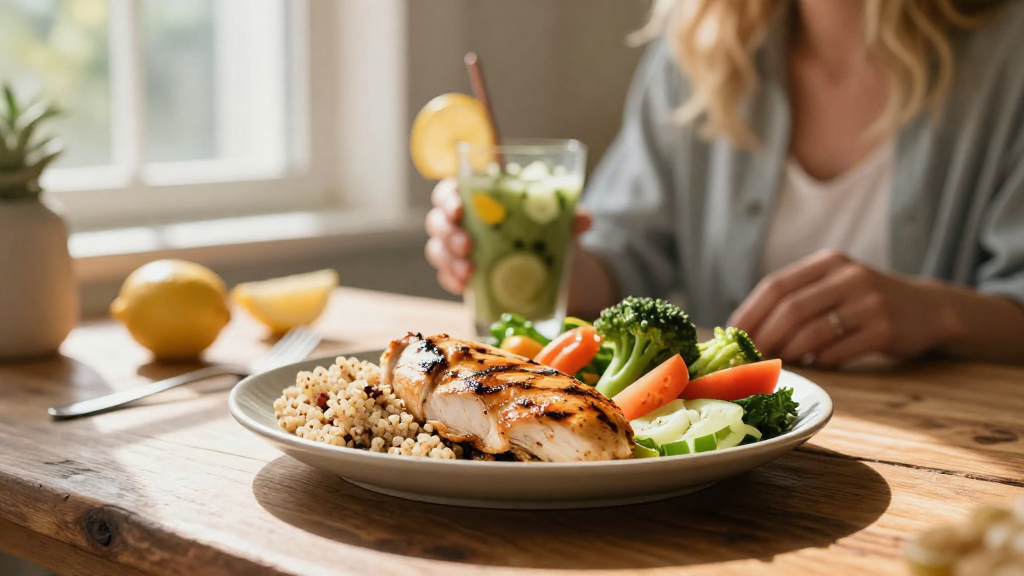
Does protein intake affect fat burn? This question is vital for anyone looking to optimize their fitness and health routines.
In this article, we will explore how increasing protein intake can influence fat loss, understand the science behind protein and fat burn, and provide actionable tips to integrate more protein into your diet effectively.
How Does Protein Affect Fat Loss?
When it comes to weight management, protein plays a significant role.
Research suggests that a higher protein intake might aid in fat burning for several reasons:
-
Increased Satiety:
– Protein keeps you feeling fuller longer.
– This can reduce the overall caloric intake, leading to weight loss. -
Higher Thermic Effect:
– The thermic effect of food (TEF) refers to the calories burned during digestion.
– Protein has a higher TEF compared to carbohydrates and fats. -
Muscle Preservation:
– During a calorie deficit, protein helps to preserve lean muscle mass.
– More muscle mass means a higher resting metabolic rate, which contributes to increased fat burn.
So, does protein intake affect fat burn? The answer is a resounding yes.
What Does the Research Say?
Studies have consistently found that higher protein diets can lead to greater fat loss compared to those lower in protein.
For instance:
-
A study published in the “American Journal of Clinical Nutrition” demonstrated that participants who consumed a high-protein diet lost more body fat and maintained muscle mass during weight loss.
-
Another study revealed that adolescents with higher protein intake experienced reduced fat mass compared to those on lower protein diets.
With this evidence, it is clear that increasing protein can be an effective strategy in your fat-burning efforts.
How Much Protein Do You Need?
The amount of protein required can vary based on several factors, including age, sex, weight, and activity level.
General guidelines suggest:
- Sedentary adults: 0.8 grams of protein per kilogram of body weight.
- Active individuals: 1.2 to 2.0 grams of protein per kilogram of body weight, particularly in athletes and those engaged in heavy weight training.
Make sure to adjust your intake based on your goals:
- For weight loss: Aim for the higher end of the spectrum.
- For muscle gain: Focus on the 1.6 to 2.2 grams per kilogram.
Which High-Protein Foods Should You Choose?
If you’re wondering how to amplify your protein intake, consider the following food sources:
- Lean Meats: Chicken breast, turkey, and lean cuts of beef and pork.
- Fish and Seafood: Salmon, tuna, sardines, and shrimp.
- Dairy Products: Greek yogurt, cottage cheese, and milk.
- Plant-Based Proteins: Legumes, lentils, tofu, tempeh, and quinoa.
- Nuts and Seeds: Almonds, chia seeds, and pumpkin seeds.
Incorporating a variety of these foods into your meals and snacks can help support your body’s protein needs while assisting in fat burning.
How Can You Optimize Protein Intake for Fat Loss?
To leverage protein in your fat-burning strategy effectively, consider the following tips:
1. Spread Protein Intake Throughout the Day:
Instead of loading up on protein at one meal, aim to distribute it evenly across three main meals and snacks.
This strategy helps:
– Maximize muscle protein synthesis.
– Keep you feeling full throughout the day.
2. Pair Protein with Other Nutrients:
Combining protein with healthy fats and carbohydrates can enhance the overall nutritional value of your meals.
For instance, try:
– Oatmeal topped with Greek yogurt and nuts.
– Salads filled with grilled chicken and avocado.
3. Consider Protein Supplements, If Necessary:
If you find it challenging to meet your protein needs through whole foods, consider adding protein supplements like whey or plant-based protein powders to your diet.
These can be convenient post-workout options that support recovery and muscle preservation.
4. Stay Hydrated:
Drinking enough water is crucial for optimal digestion and metabolism.
Protein can be tough on your kidneys without adequate hydration, coupled with a higher protein diet.
5. Avoid Excessive Caloric Intake:
While protein is beneficial for fat burning, consuming it in excess can still lead to weight gain if overall caloric intake surpasses expenditure.
Monitor your total caloric intake alongside your protein to ensure you remain in a caloric deficit if fat loss is your goal.
Can Protein Help You Retain Muscle During Weight Loss?
When losing weight, especially through calorie restriction, there’s a risk of losing muscle mass.
Protein plays a crucial role by:
– Providing the necessary building blocks (amino acids) for muscle repair and growth.
– Assisting in the recovery process after workouts, ensuring you maintain muscle while shedding fat.
Conclusion: Does Protein Intake Affect Fat Burn?
In conclusion, does protein intake affect fat burn?
Absolutely.
A higher protein intake can play a vital role in enhancing fat burning through increased satiety, higher thermic effect, and muscle preservation.
By incorporating a variety of protein-rich foods into your diet, optimizing your protein intake, and coupling it with an active lifestyle, you can accelerate your fat loss journey effectively.
With these strategies in place, you can confidently embrace the power of protein in your quest for a healthier you.