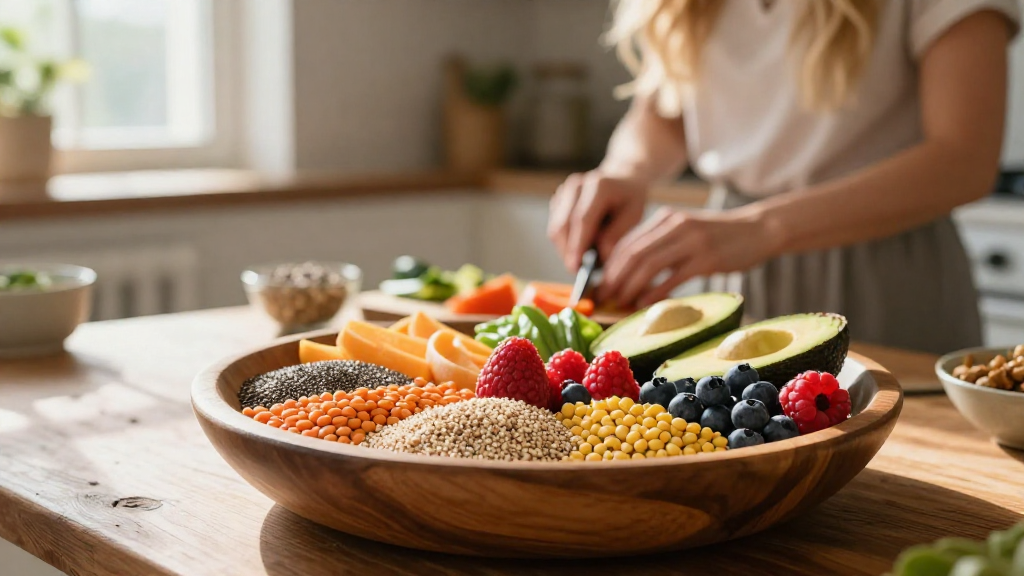
Are you curious about how does fiber help burn fat? This article will help you explore the relationship between fiber-rich diets and fat loss strategies.
What is Fiber and Why is it Important?
Fiber is a type of carbohydrate that your body cannot digest.
Unlike sugar and starch, fiber passes through the digestive system relatively intact.
It plays a crucial role in maintaining optimal health and can be found in various foods, including fruits, vegetables, whole grains, and legumes.
There are two main types of fiber:
-
Soluble Fiber: This type dissolves in water, forms a gel-like substance, and helps lower blood cholesterol and glucose levels. Foods rich in soluble fiber include:
– Oats
– Beans
– Lentils
– Apples -
Insoluble Fiber: This type does not dissolve in water and helps food pass quickly through the stomach and intestines. Sources of insoluble fiber include:
– Whole grains
– Nuts
– Cauliflower
– Potatoes
How Does Fiber Help Burn Fat?
Now, let’s dive into the crux of the matter: how does fiber help burn fat?
Fiber can aid in weight management and fat burning through several mechanisms:
-
Increased Satiety:
– High-fiber foods take longer to chew and digest, making you feel full longer.
– This can reduce overall calorie intake as you may eat less at subsequent meals. -
Lower Caloric Density:
– Foods high in fiber, such as fruits and vegetables, tend to be lower in calories but rich in nutrients.
– This means you can eat a substantial volume of food without consuming excessive calories. -
Improved Gut Health:
– Fiber acts as a prebiotic, promoting the growth of beneficial gut bacteria.
– A healthy gut microbiome is linked to better metabolism and fat regulation. -
Stabilized Blood Sugar Levels:
– Fiber slows down the absorption of sugar, preventing spikes and crashes in blood sugar levels.
– This results in better hunger management and reduced cravings. -
Increased Energy Expenditure:
– Your body burns more calories digesting fiber compared to digesting simple sugars and fats, leading to a slight increase in caloric burn.
How Much Fiber Do You Need?
The recommended daily fiber intake varies depending on age and gender:
- Women: 25 grams
- Men: 38 grams
However, the average adult only consumes about 15 grams per day.
To reap the fat-burning benefits of fiber, consider gradually increasing your intake to meet these recommendations.
What Are the Best Sources of Fiber?
Here’s a list of fiber-rich foods that can help you integrate more fiber into your diet:
- Fruits:
- Raspberries (8 grams per cup)
- Pears (5 grams per medium fruit)
-
Bananas (3 grams each)
-
Vegetables:
- Broccoli (5 grams per cup)
- Brussels sprouts (4 grams per cup)
-
Carrots (4 grams per cup)
-
Whole Grains:
- Quinoa (5 grams per cup, cooked)
- Barley (6 grams per cup, cooked)
-
Oats (7 grams per cup, cooked)
-
Legumes:
- Lentils (15 grams per cup, cooked)
- Black beans (15 grams per cup, cooked)
- Chickpeas (12 grams per cup, cooked)
How to Incorporate More Fiber Into Your Diet?
Feeling inspired to eat more fiber?
Here are some easy tips to start increasing your fiber intake:
- Start Your Day Right:
-
Opt for a whole-grain cereal or oatmeal topped with fruit.
-
Snack Smart:
-
Choose nuts or fruits with skin for a fiber boost instead of processed snacks.
-
Add Veggies:
-
Incorporate vegetables into every meal, whether raw, steamed, or roasted.
-
Switch to Whole Grains:
-
Choose whole-grain bread, pasta, and rice instead of their refined counterparts.
-
Experiment with Legumes:
- Include beans, chickpeas, or lentils in salads, soups, and stews.
Are There Any Risks Associated with High Fiber Intake?
While fiber is fabulous, too much too quickly can lead to digestive discomfort.
Here’s how to safely increase your fiber intake:
- Gradually introduce fiber-rich foods into your diet to allow your digestive system to adjust.
- Drink plenty of water to help fiber do its job effectively.
- If you have specific digestive issues, consult a healthcare provider before making significant changes.
Conclusion: Can Fiber Help You Burn Fat?
So, can eating more fiber help burn fat?
The answer is a resounding yes!
Fiber positively impacts appetite, digestion, and metabolism, making it an excellent ally in your weight-loss journey.
By choosing fiber-rich foods and incorporating them into balanced meals, you can work toward achieving your weight loss goals while enjoying the other health benefits fiber has to offer.
In summary, how does fiber help burn fat? It increases satiety, lowers caloric density, promotes gut health, stabilizes blood sugar, and enhances energy expenditure.
Make fiber a priority in your diet, and you’ll not only feel better but also improve your chances of burning away unwanted fat.
Start your journey to better health and fat loss by embracing the power of fiber today!