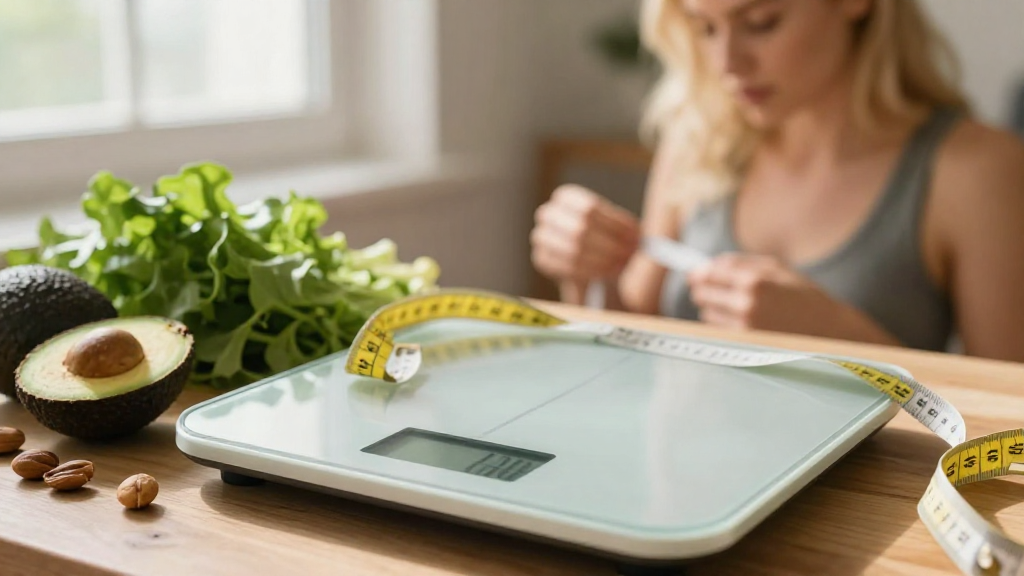
Understanding the difference between fat loss and weight loss is crucial for anyone embarking on a fitness journey.
Many individuals often confuse the two terms, but they convey distinct concepts essential for achieving specific health and fitness goals.
In this article, we’ll explore the definitions, methods, and implications for health and fitness to clear up any confusion.
What is Fat Loss?
Fat loss refers specifically to the reduction of body fat percentage without necessarily affecting muscle mass.
When you achieve fat loss, your body becomes more toned and efficient.
Key points to note about fat loss include:
- Body Composition: Fat loss improves your body composition, which means you lose fat while potentially maintaining or gaining muscle.
- Nutrition Focus: A proper diet rich in protein, healthy fats, and fiber plays a crucial role in promoting fat loss.
- Metabolic Rate: When you lose fat, your resting metabolic rate (the number of calories you burn at rest) may also be optimized over time.
What is Weight Loss?
Weight loss refers to a decrease in overall body weight, which includes loss of fat, water, and muscle mass.
While it may seem like a straightforward goal, weight loss doesn’t always mean better health.
Here’s what to consider about weight loss:
- Scale Obsession: Focusing solely on the scale can lead to unhealthy habits and disappointment.
- Muscle Loss: Weight loss can sometimes involve losing muscle mass, which is undesirable as muscle helps in burning calories.
- Temporary Results: Quick weight loss can often be attributed to water loss, especially with crash diets, but isn’t sustainable in the long term.
How Do Fat Loss and Weight Loss Differ?
So, what’s the difference between fat loss and weight loss?
The primary distinctions can be summarized as follows:
-
Objective:
– Fat Loss: Focuses on reducing body fat and enhancing muscle tone.
– Weight Loss: Aims to decrease total body weight, regardless of source. -
Health Impact:
– Fat Loss: Generally improves overall health markers, including metabolic markers.
– Weight Loss: Can lead to negative health outcomes if muscle is lost. -
Methods:
– Fat Loss: Emphasizes strength training, balanced nutrition, and gradual calorie deficits.
– Weight Loss: Often includes caloric restriction, which can lead to muscle loss. -
Sustainability:
– Fat Loss: Typically promotes lifestyle changes that are maintainable.
– Weight Loss: Can lead to short-term results without lasting change.
What Does the Science Say?
Understanding the difference between fat loss and weight loss also requires delving into some research for clarity.
Studies show that while calorie deficits are necessary for both fat loss and weight loss, the approaches may differ for optimal results:
- Caloric Deficit: A deficit is essential for both goals, but the method of achieving it can inform your results.
- Protein Intake: Research indicates that higher protein intake can support muscle retention during fat loss.
- Strength Training: Evidence supports that incorporating strength training helps preserve and build muscle while losing fat, ultimately resulting in a more toned physique.
Why Does the Difference Matter?
Recognizing the difference between fat loss and weight loss is vital for various reasons:
- Achieving Goals: Understanding your medical and aesthetic goals can guide the most suitable approach, preventing frustration.
- Mental Health: A focus on fat loss rather than just weight loss can cultivate a healthier body image; achieving a toned physique brings psychological benefits.
- Physical Function: Retaining muscle while losing fat ensures better functional capacity, which is crucial for overall health and vitality.
How Can One Achieve Fat Loss Instead of Weight Loss?
If your aim is to achieve fat loss rather than just weight loss, consider the following strategies:
-
Balanced Nutrition:
– Focus on a whole-food diet rich in vegetables, lean proteins, whole grains, and healthy fats.
– Avoid extreme diets that eliminate essential food groups. -
Strength Training:
– Incorporate resistance training into your exercise routine at least 2-3 times per week.
– Resistance exercises help build muscle, which increases your metabolic rate. -
Cardiovascular Exercise:
– Engage in high-intensity interval training (HIIT) or regular steady-state cardio.
– Cardio helps burn calories, thereby assisting in creating a caloric deficit while preserving muscle. -
Mindful Eating:
– Practice mindfulness around meals to prevent overeating.
– Focus on hunger cues and satisfaction levels. -
Adequate Recovery:
– Ensure proper recovery and sleep as these are essential for muscle repair and hormone balance.
– Chronic stress can inhibit fat loss efforts.
Conclusion:
In conclusion, the difference between fat loss and weight loss is significant in terms of health, fitness goals, and personal well-being.
While both concepts involve weight measurement, it is essential to focus on the quality of that weight loss—principally, fat versus muscle.
By shifting the focus toward fat loss through sustainable and healthy practices, you can achieve not only a better body composition but also improved health outcomes and quality of life.
Remember, it’s not just about the number on the scale; it’s about feeling strong, healthy, and confident in your own skin.
Explore these distinctions, create actionable steps, and embark on a sustainable fitness journey that prioritizes fat loss over mere weight loss.